


Three quotations for the same footbridge routinely arrive with a spread wide enough to look like a mistake. It usually is not. It is three suppliers pricing three different amounts of work, each one compliant with a specification that left the boundary open, and the cheapest offer is very often the one that included least.
The task is therefore not to rank the numbers. It is to rebuild all three offers onto a common scope, and only then to compare them. That work takes half a day and it is the highest-value half day in the whole procurement.
Build the comparison as a table of packages
Set out the work packages as rows and the bidders as columns: superstructure, substructure, approaches, delivery, lifting and installation, design and approvals, commissioning, documentation. Enter each bidder’s price against the package it covers and mark every gap.
The picture that emerges is usually clear within minutes. One offer has priced the span alone; another has included the approaches; a third has included delivery but assumed the client provides the crane. None of them is being dishonest, and none of the totals means anything until the gaps are filled.
| Step | What it produces |
|---|---|
| Map packages | Where the gaps are |
| Price the gaps | Comparable totals |
| Check assumptions | Whether it is the same product |
| Check deliverables | What arrives at handover |
Price the gaps rather than disqualifying
The instinct on finding an incomplete offer is to set it aside. That is usually the wrong move, because an offer with a narrow scope and a low price may still be the best value once the missing packages are added at market rates.
Send one clarification round asking every bidder to price the same list of gaps, with the same assumptions stated for all of them. Asking all bidders the same questions keeps the process defensible, which matters in public procurement, and it produces genuinely comparable totals at the end.
Then check whether it is the same product
Scope is only half of it. Two offers covering identical packages can still be for structurally different things, and the differences are in the technical assumptions rather than in the description.
Check the execution class each bidder has assumed, because a structure at one class and the same structure at the next are different products at different prices. Check which national annex the design is against. Check the imposed load and the deflection criterion. Check the declared natural frequencies and whether a dynamic assessment was carried out at all. Check the finish system and the quality label behind it. Check the alloy or grade.
Any one of these can account for a large part of a price difference, and none of them is visible in a summary quotation. They have to be asked for.
Check what actually arrives
The deliverables list is where offers diverge most quietly. Structural calculations in a checkable form, the declaration of performance, as-built drawings, and a maintenance schedule with intervals and access methods are either in the price or they are not.
The declaration deserves particular attention, since what a supplier is prepared to declare varies, and a supplier declaring geometry and material properties has made a different commitment from one declaring load-bearing capacity. Asking for a specimen at tender stage costs nothing and answers the question before award.
Programme assumptions and what they hide
A short lead time can be real or it can be an assumption that the foundations will be ready, the ground investigation is complete and the possession has been granted. Ask each bidder what their programme assumes about items outside their scope, and the optimistic ones become visible immediately.
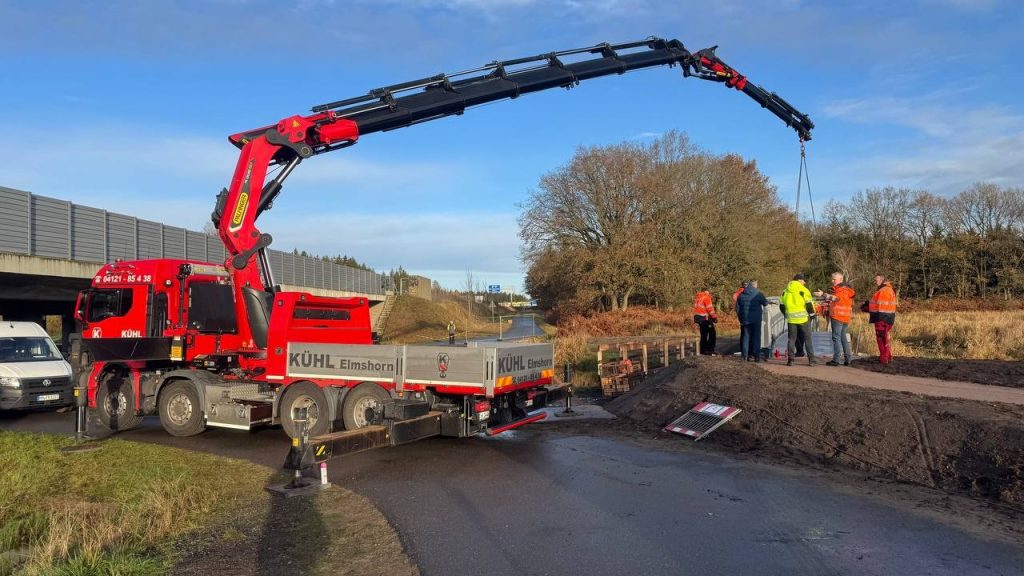
Ask also what the installation assumes: crane size, access route, duration of closure, and whether night working is included. These are ordinary questions and the answers frequently move the ranking.
Whole-life commitments
If the evaluation includes whole-life cost, the models submitted are only comparable if the period, the discount rate and the residual value method were published in the tender. Where they were not, ask each bidder for their maintenance schedule with intervals, durations and access methods instead, and build a single model yourself using one set of assumptions.
That is more work and it is the only version of the exercise that produces a defensible answer. It also surfaces the offers where a low capital price has been achieved by deferring cost, which is the comparison the exercise exists to make.
The question set to send everyone
One clarification round, the same questions to all bidders: which packages are excluded; a price for each excluded package; the execution class and national annex assumed; the imposed load, deflection criterion and declared frequencies; the alloy or grade and the finish system with its quality label; the full deliverables list; the maintenance schedule with intervals and access; what the programme assumes outside your scope; the installation method with crane and closure duration; and a specimen declaration of performance.
Ten items, answerable in two pages, and between them they turn three incomparable numbers into a decision that can be explained to an auditor.
Before the recommendation is written
The lowest price in a bridge tender is almost always the smallest scope, and the useful question is not whether that is acceptable but what the missing work will cost when it is bought separately and later, usually without competition.
Our offers are set out package by package with the technical assumptions stated in the covering document, so a client can drop them into a comparison table without a clarification round. Where a competing offer is structured differently, our engineers will help identify which packages it is missing rather than leaving the client to find out at handover.