


Every engineering decision matters, especially considering how many challenges a modern city faces, from reduced maintenance budgets to surging traffic loads. Your project’s success largely depends on how well it fits the target environment, and the right material selection can determine its long-term progress and overall return on investment.
Aluminium brugs are gradually transitioning from the market’s underdog to a powerhouse to be reckoned with. It has become an alternative to steel as a focal point in global infrastructure development thanks to a wide range of high-quality characteristics. In this guide, let’s talk about aluminium vs. steel and why breaking long-established construction traditions can be a good thing. Onwards!
Understanding the Differences Between Aluminium and Steel When Talking with Your Civil Engineering Contractor
While the multi-year expertise of a trusted bridge installation contractor makes a difference, your project should always begin with a discovery phase. That’s when you define the project’s objectives, timelines, and narrow down the available palette of options in general. Gathering information about aluminium versus steel can ensure that your vision will be executed perfectly at the end of the day.
Selecting the appropriate tool for the task at hand is your actual goal rather than identifying the “better” metal. While steel has long been considered the elite standard for heavy infrastructure, aluminium’s revolutionary properties can drastically rewrite the rules of the game.
At a glance, the key characteristics of these two metals are as follows:
- Structural steel — it stands out thanks to its exceptional ultimate load capacity and high density (7.85 g/cm³), but is susceptible to deep corrosion and requires ongoing, protective-coating-forward maintenance cycles.
- Aluminium alloy — with one-third of the aforementioned weight (2.70 g/cm³), it features a natural oxide barrier for high corrosion-resistance properties and is a more lightweight solution overall.
The way steel and aluminium act in the “wild” predetermines common applications for each material. That’s how you can define whether it’s better to contact a steel or aluminium bridge supplier on your end:
- Steel excels when it comes to long-span suspension bridges, mega-structures, cantilevers, etc.
- In comparison, the dominating power of aluminium can come in handy if you require bicycle and pedestrian spans, emergency and historical bridge deck replacements, movable bascule constructions, and so on.
Project Conditions That Make Aluminium the Better Choice
While steel might seem like the traditional default, it isn’t a perfect match for every project. Before contacting your cycle bridge manufacturer, it’s crucial to evaluate several factors:
- dead load vs. live load to ensure that the existing foundation can support the target structure with maximised traffic capacity in mind;
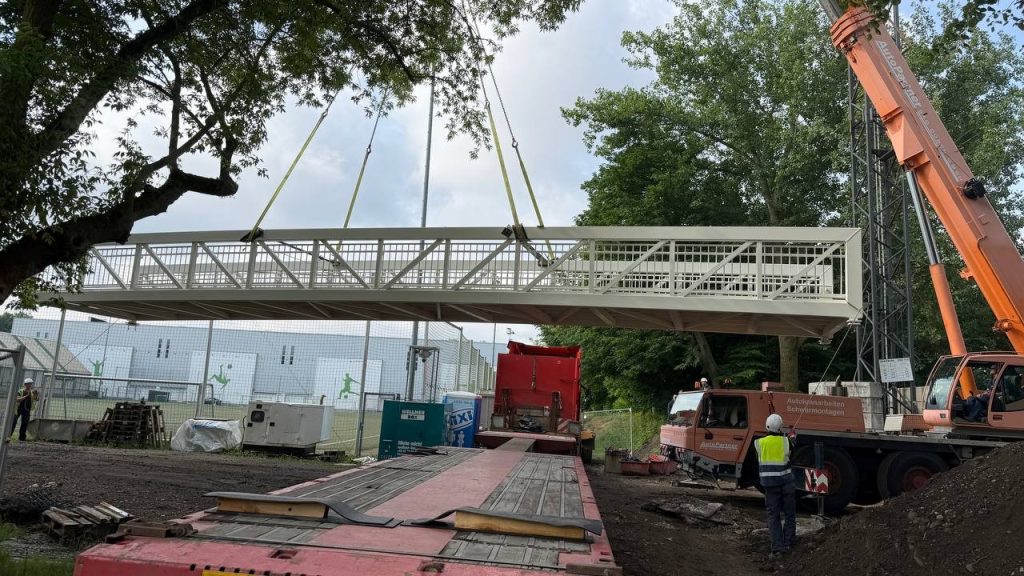
- the target site’s accessibility, i.e., whether it allows for massive cranes for steel-forward installations or supports fast assemblies with prefabricated and lightweight aluminium structures;
- total life-cycle cost, given your budget — a higher long-term investment in steel because of its high maintenance needs versus low-maintenance project management of aluminium platforms.
On top of that, ever-changing and severe climate conditions imply that corrosion resistance aluminium structures are a better alternative:
- High-humidity and corrosive industrial settings — high-quality aluminium is non-porous, non-combustible, and doesn’t let chemicals and moisture reach the surface under its natural oxide layer within a pH range of around 4 to 8.5.
- Marine and coastal environments — given its protective barrier, this material can instantly self-heal when scratched. It also eliminates the need for constant reapplying of special coatings and finishes. From this perspective, aluminium can be considered an ideal marine-grade solution.
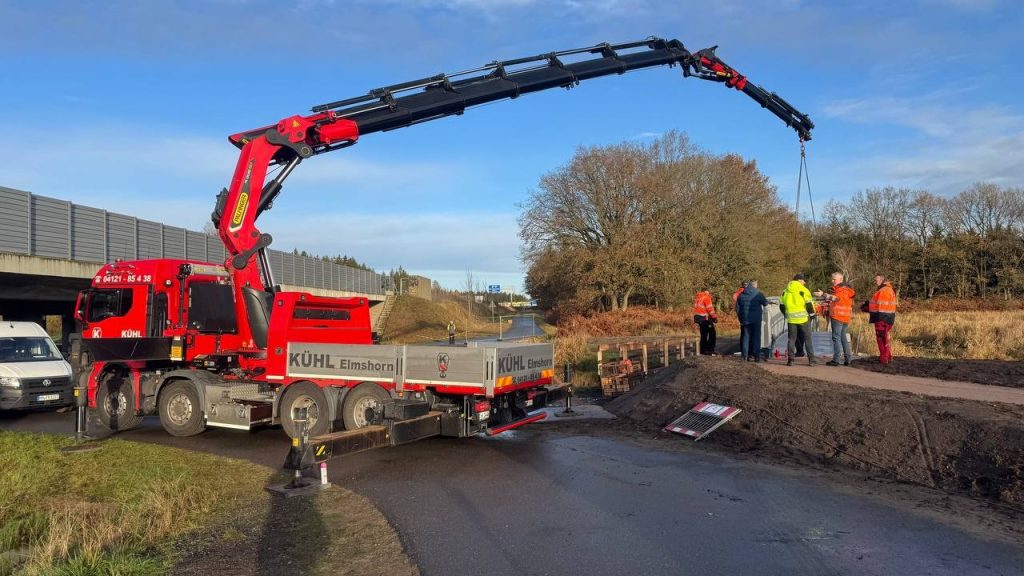
- Remote sites with limited construction access — this material is known for its excellent structural strength-to-weight ratio, namely, 296 kN*m/kg versus 63 kN*m/kg of steel. This level of performance supports the use of minimal heavy machinery and simplified transportation conditions. Coming from a Eurocode 9 aluminium manufacturer like DR VERSLAS, the on-site delivery of prefabricated platforms won’t be a problem in various rural and industrial zones.
Bridge Projects That Commonly Benefit from Aluminium
The aluminium municipal infrastructure is surely gaining momentum. Several natural benefits of this metal optimise efficient project execution across multiple fields:
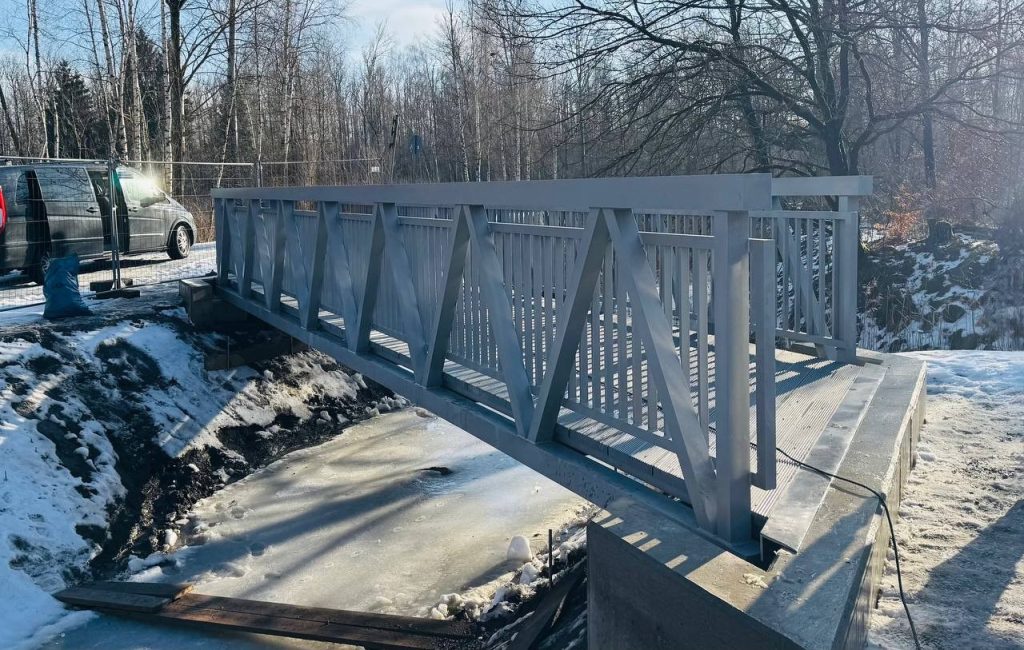
- Pedestrian and cycling bridges — anti-slip aluminium textures allow for maximum safety and can be performed in any bold style, depending on your needs.
- Highway overpasses and road crossings — ultra-lightweight and prefabricated constructions can be installed quickly and without drastic traffic or economic disruptions.
- Rail infrastructure — the use of advanced Friction Stir Welding avoids structural cracks caused by micro-defects and promotes long-term effective performance under repetitive, intense, cyclic vibrations in the area.
While such solutions balance durability, performance, and lifecycle costs, you should ensure that aluminium aligns with the target project’s goals. With new aluminium alloys and manufacturing technologies to come, the realm of aluminium bridge engineering will also expand and evolve. Modular systems can be taken to the next level with digital construction and smart integration.