


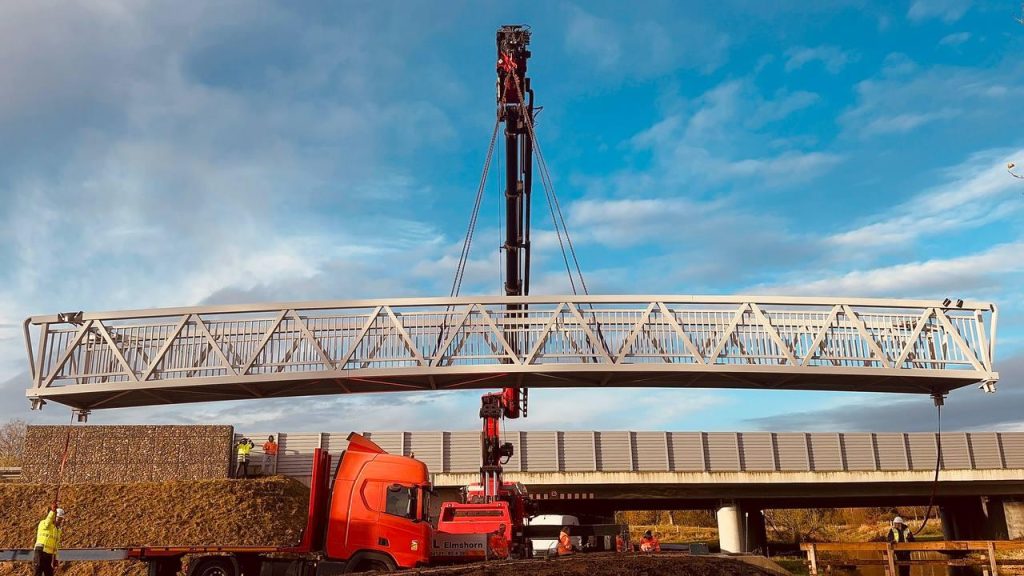
Despite decades of structural breakthroughs, the field of civil engineering is still subject to misconceptions. Aluminium brug construction isn’t an exception and acts as a double-edged sword. On the one hand, this metal is recognised as a highly potent material for multiple applications across a wide range of settings — coastal and marine environments, extreme cold conditions, corrosive industrial locations, and urban landscapes, etc. On the other hand, the continuous infrastructure progress on sites can be somewhat stalled because of popular myths circulating across markets. This myth-versus-fact guide lets you overcome your prejudice and transition to modern and sustainable aluminium structures in a data-driven manner.
Aluminium Bridges Are Too Weak for Municipal Infrastructure
One of the common reasons to refuse cooperation with a trusted aluminium bridge supplier Europe lies in the assumption that steel and concrete are better choices for structural applications. In reality, advanced alloy series deliver an elite strength-to-weight ratio:
- 296 kN*m/kg for aluminium;
- 63 kN*m/kg for steel;
- 24 kN*m/kg for concrete.
It implies that the actual yield strength of aluminium is ч on par with steel while reducing the construction’s dead weight. With smart design concepts, tailored aluminium bridge geometry can qualitatively distribute stress across the system and maximise its load capacity. Real-world applications by DR VERSLAS prove the top-tier performance of such projects, e.g., railway overpasses that support continuous streams of pedestrians and/or vehicles.
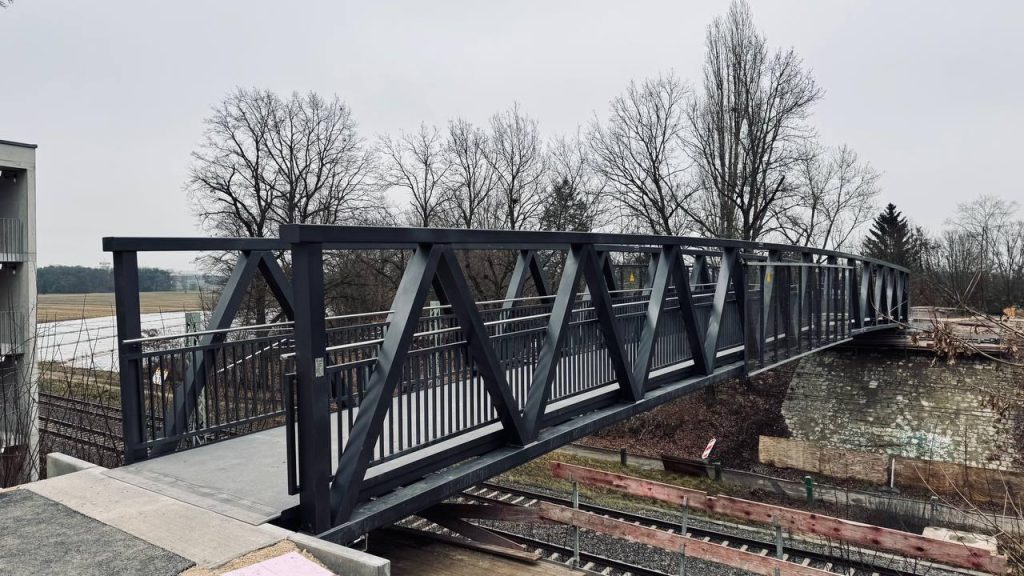
Steel Is Always a Superior Choice in Civil Engineering
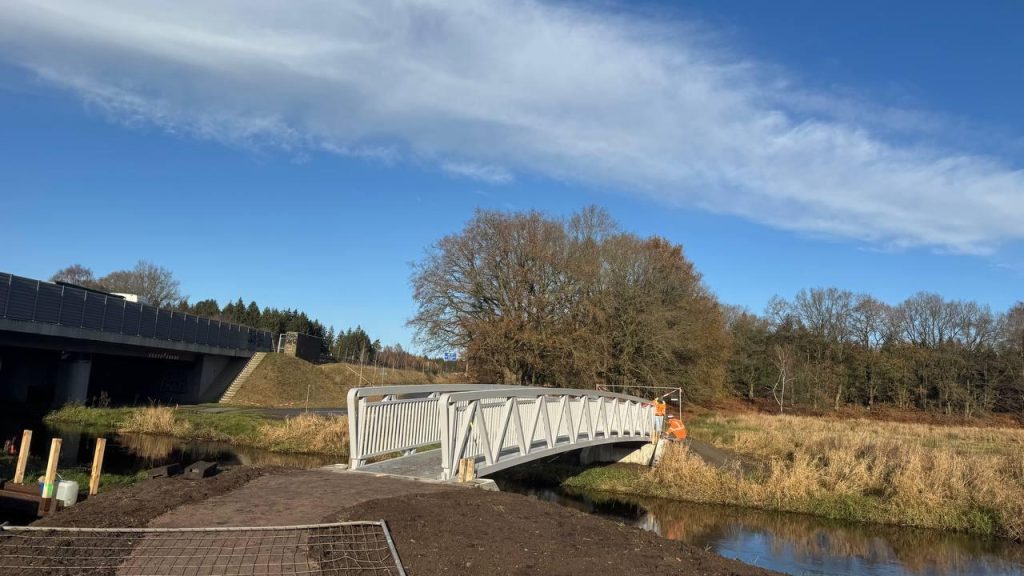
The more versatile metal applications are in the field, the more hyper-personalised projects can be executed. While structural steel has its undeniable perks, its potency may be limited under certain scenarios. That’s when custom aluminium structures can be the answer:
- Lightweight aluminium structures are ideal for tight-deadline and load-sensitive urban projects. Instead of relying on traditional paths, it’s better to advance your engineering techniques with case-related materials.
- The upfront cost shouldn’t be the primary decision-making factor. Take into account how demanding and relevant the required maintenance approach is for the target project. Requesting an aluminium bridge from a structural engineering company will let you benefit from its multi-decade value with life-cycle cost savings.
- Distinct advantages of aluminium for municipal bridge projects are a given, thanks to the metal’s natural properties. Such designs are a better choice for corrosive settings, rapid emergency repairs, and historic bridge retrofits.
Feel free to explore the variety of projects by DR VERSLAS. Broaden your outlook on durable aluminium structures for public, commercial, and municipal applications. From outdoor staircases to floating pontoons and industrial walkways, this brand has got you covered.
Aluminium Can’t Be Used in Harsh Climates
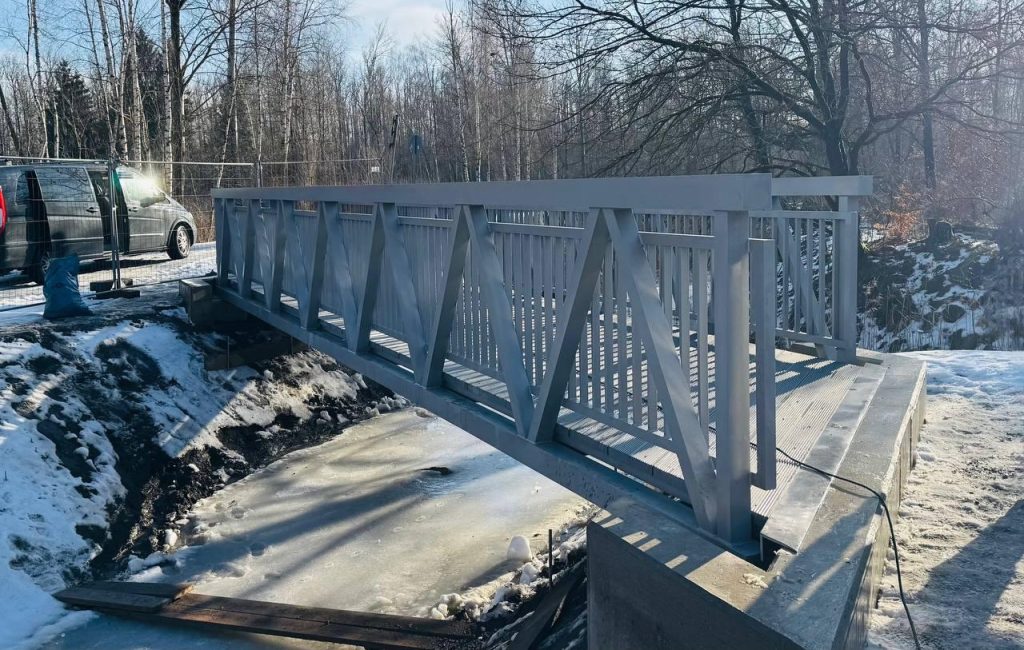
Some people find the metal’s lightweight character synonymous with being too delicate to withstand extreme weather conditions. In practice, such environments are more likely to degrade concrete and steel:
- no ductile-to-brittle transition temperature in contrast to more traditional materials that are susceptible to hazardous embrittlement;
- increased yield strength and ductility of metal in sub-zero temperature ranges;
- natural corrosion resistance, which makes aluminium fabrication products suitable for marine environments;
- no moisture absorption, which eliminates the risk of internal cracks;
- a self-healing barrier to reduce the negative impact of scratches and preserve the surface’s integrity;
- elevated wind and vibration resistance in monolithic welded aluminium structures.
DR VERSLAS is a certified service provider that can help your project withstand any natural environmental disadvantages. CE-marking, Eurocode 9, and other performance standards ensure that your turnkey project will deliver A+ results on your end. No on-site welding takes place. Instead, the use of modular setups supports fast and precise bridge assembly on sites.