


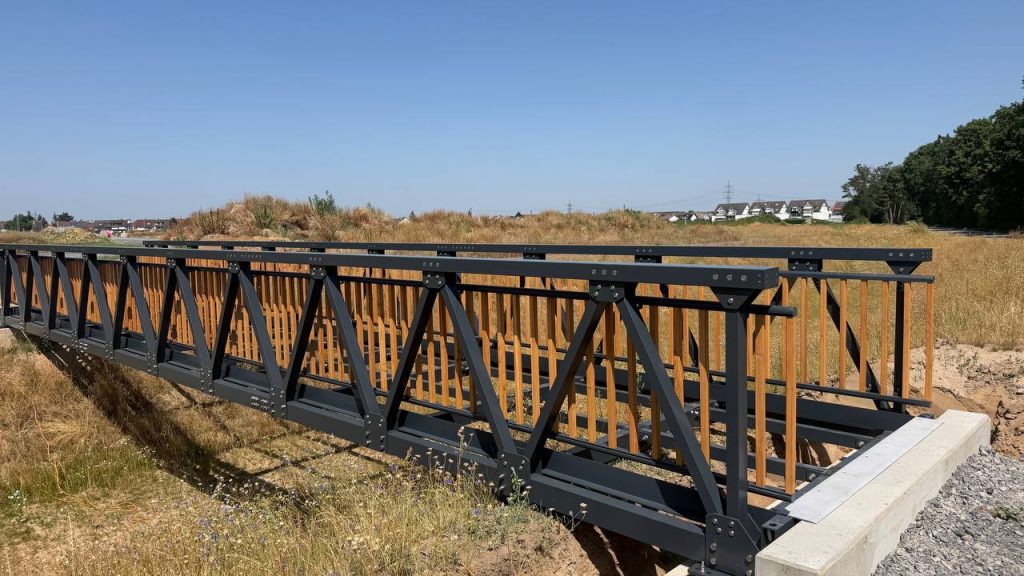
Before contacting any bridge design company, take your time to explore how different material choices can support your project vision. Forward-thinking architecture and structural construction don’t solely focus on traditional solutions like concrete and steel. Another dominating power to consider is aluminium. In this guide, we will talk about how this metal contributes to the establishment of architectural marvels in 2026. Mind the gap!
Minimalist Structural Designs
Clean aesthetics in architecture are a foolproof choice for a timeless creation. While refusing the bulk of traditional steel, a modern bridge fabrication company can leverage the advanced capabilities of aluminium. Thin yet strong factory extrusions support maximum precision in construction, which can help interested parties create various geometrical shapes and patterns.
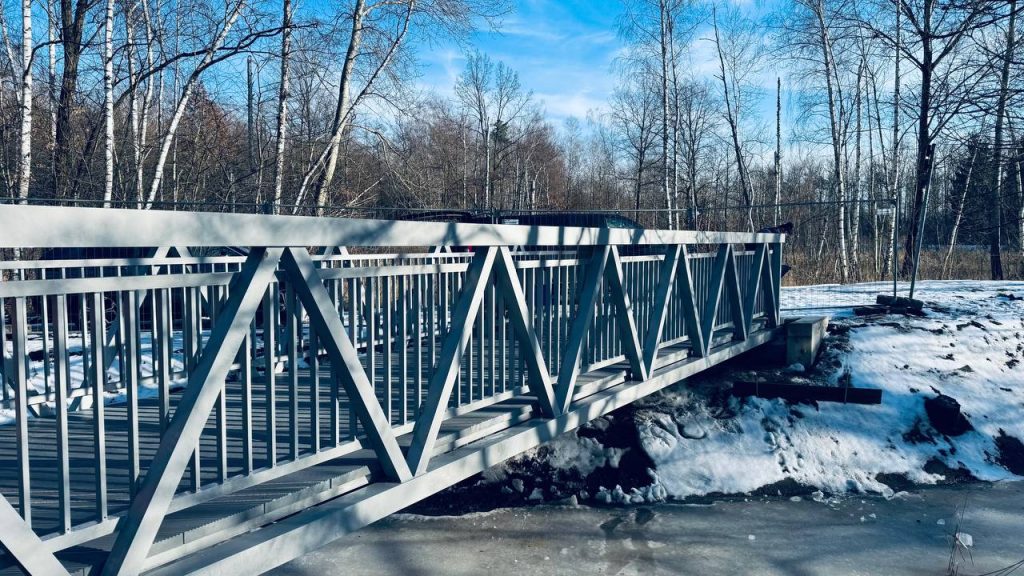
The metal’s strength-to-weight ratio also makes a difference — 296 kN*m/kg, which is over four times higher in comparison with steel. It streamlines the installation of aluminium bridges on sites:
- higher load capacity available;
- reduced dependence on heavy lifting equipment;
- smaller support structures required.
This way, it’s possible to establish setups that maximise open spaces and natively blend into various urban networks.
Smart Infrastructure Integration
You can transform a custom aluminium bridge into a data-driven network with multiple insights to collect in real time. Whether you rely on built-in sensors or other formats of invisible technology, it will be possible to track the actual load and potentially protect the structure from vandalism and other risks. Aside from non-stop diagnostics, you can benefit from digital asset management and remotely ensure the project’s effectiveness.
Advanced Surface Finishes
Aluminium walkways are engineered to look and perform flawlessly for decades. On the one hand, corrosion resistance, lightweightness, and high load capacity are among the reasons behind the metal’s popularity in modern construction. On the other hand, the use of high-end finishes and coatings can overcome certain vulnerabilities of the material and make it even more potent for projects across different climate zones:
- Marine-grade coatings can accelerate the natural protective barrier of the metal, making industrial walkways, cycle bridges, or floating structures a perfect match for offshore and coastal environments.
- Additional protection against scratches and graffiti can also be provided by special coatings and finishes.
- Custom metallic depth is possible with modern anodised finishes that won’t peel, flake, or chip.
- Powder-coated colour innovations let you lock in UV-stable shades within an unlimited palette to choose from. It’s up to you whether you want to blend into the target landscape or highlight the construction itself and turn it into the site’s central piece.
Hybrid Material Solutions
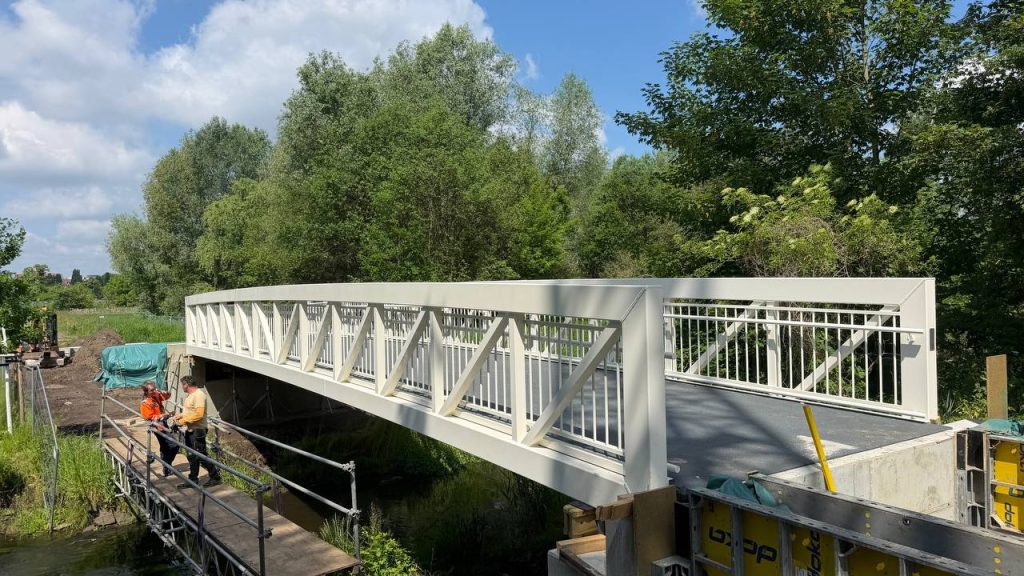
While a lot depends on the chosen aluminium engineering company in this regard, you can check the actual value of multi-material construction on sites. It’s not about selecting a “better” metal anymore. It’s more about pairing structural aluminium with advanced composites where it truly matters:
- Strategic placement — carbon-fibre tendons, for example, can support the original structure and ensure long-span tension loads don’t damage the entire system in the long run.
- Overcoming weight limits — hybrid constructions may safely “cover” spaces that are typically unattainable for pure aluminium.
- Aluminium with glass — such combos are ideal for ultra-slim frameworks and floating platforms, creating a unique view while benefiting from the base material’s high strength-to-weight ratio.
Applying Aluminium Bridge Design Trends in Practice
A well-thought-out plan can help you turn your vision into reality. Partnering up with a renowned turkney bridge contractor like DR VERSLAS early ensures a smooth ride from the concept phase to the installation stage with maximum benefits on your end — clear timelines, top-tier materials, custom designs, and so on. Before getting started, always identify key conditions to meet. The use of Friction Stir Welding (FSW) techniques will ensure the solution’s flawless performance and elite fatigue lifecycle. With prospective maintenance savings, consider the right budget range for the project.
Frequently Asked Questions
Why is aluminium gaining momentum in modern design?
Aluminium makes A+ construction projects more effective and accessible for cases when steel and concrete aren’t the answer. Its corrosion resistance and excellent strength-to-weight performance support its versatile use for custom constructions for both residential and industrial goals.
How do modular aluminium bridges improve construction projects in 2026?
Relying on credible bridge engineering services from brands like DR VERSLAS will let you take advantage of aluminium constructions to the fullest extent. With prefabricated solutions for every taste and demand, they support accelerated project timelines, enhanced precision in vision execution, and future-proof installation with potential adjustments and reconfigurations if needed in the long run.
Are recycled aluminium products suitable for structural applications?
Even if recycled, this metal loses just a small part of its load-bearing capacity and mechanical properties overall. What’s more, it requires 95% less energy for production purposes.