


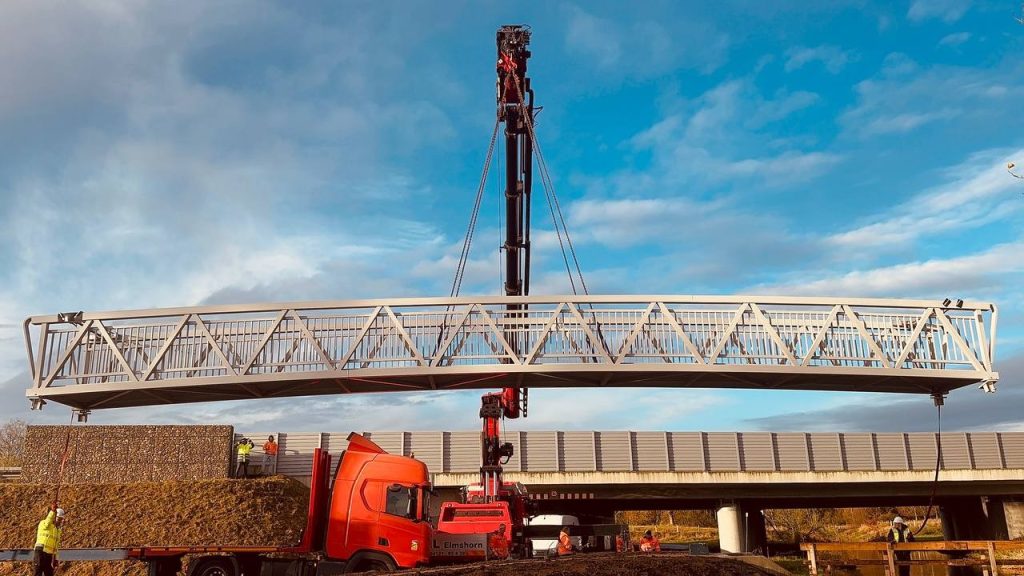
Although aluminium has become a new trend in civil engineering, it doesn’t mean that it can be a default option for any project. Its distinctive properties support the construction of corrosion resistant bridges and other designs, but there are times when steel and concrete can still surpass this metal. Learning more about aluminium’s strengths and limitations will help you engage in advanced infrastructure engineering practices and successfully accomplish your goals.
Structural Material Comparison at a Glance
For your quick reference, check the following table and compare the main characteristics of the top three options in modern bridge design. Mind the gap!
| Performance Aspect | Structural Aluminium Alloys | Structural Steel | Prestressed/Reinforced Concrete |
| Density (also known as dead mass in this regard) | 2.70 g/cm³, but allows for lightweight constructions | 7.85 g/cm³, ultra-heavy | 2.40-2.50 g/cm³, but results in heavier constructions than aluminium because of the need in large and thick blocks |
| Moduli of elasticity | High flexibility, but will benefit from deflection control | High stiffness | Brittle, which is why it relies on increased bulk mass for the required level of stiffness |
| Strength-to-weight ratio | Superior — 296 kN*m/kg | Moderate — 63 kN*m/kg | Low — 24 kN*m/kg |
| Thermal conductivity | High, which eliminates internal temperature gradients and supports faster de-icing | Moderate, which may lead to localised heat spots and requires tailored thermal stress management techniques | Low, which results in high internal cracking risks because of its poor performance as a heat conductor |
| Performance in extreme cold | Increased ductility and yield strength | May become brittle in deep cold conditions | May experience increased damage caused by freeze-thaw cycles |
Understanding the Structural Capabilities of Aluminium Bridges
Bridge designers rely on the natural characteristics of aluminium alloys a lot:
- high strength-to-weight ratio;
- supreme corrosion resistance;
- minimal maintenance requirements;
- good toughness at low temperatures;
- ease of extrusion and fabrication into complex custom profiles;
- low self-weight that reduces foundation loads;
- long service life with predictable fatigue patterns;
- flexible use for accelerated bridge installation and modular construction;
- highly recyclable aluminium structures that require 5% of the energy spent on classic metal production, etc.
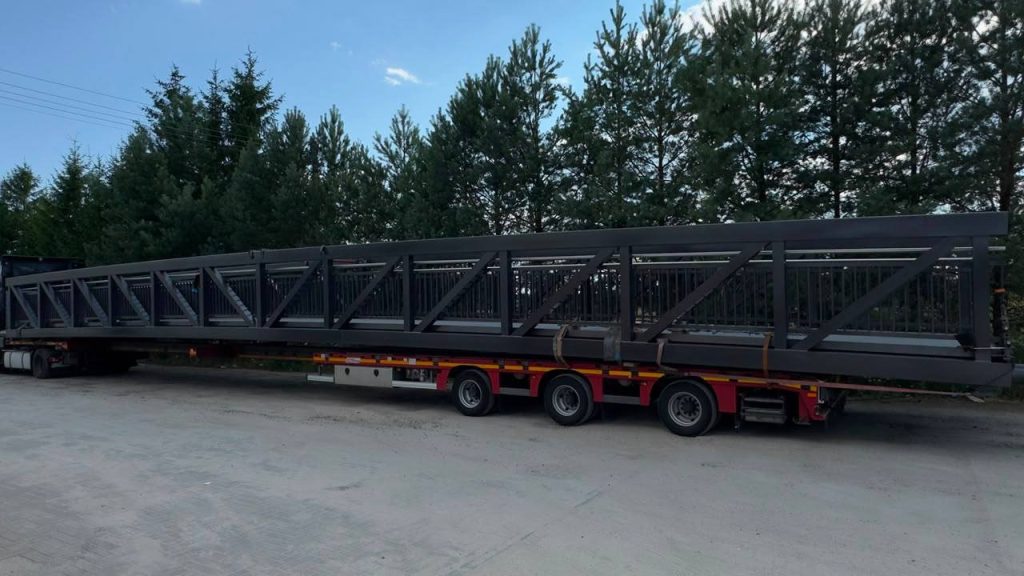
This high-utility metal surely lets experts overcome typical infrastructure limitations. Given its lightweight nature and elite mechanical efficiency, it introduces elegant and sleek designs that are on par with structural steel in terms of yield strength but are easier to handle and install even on sites with reduced accessibility. Building excellent load bearing aluminium bridges also means optimised performance with long-span possibilities and reduced wind resistance on expansive crossings. On top of that, the general metal’s adaptability to modular construction lets you install new industrial walkways, viewing platforms, outdoor staircases, and so on.
Overcoming Aluminium Bridge Design Challenges
Sustainable aluminium structures can last for decades. However, they require smart construction tactics to do so:
- larger structural depths to handle the material’s naturally lower stiffness;
- higher upfront material cost that may be balanced with low maintenance expenditures in the long run;
- specialised welding requirements, such as Friction Stir Welding (FSW) to maintain its integrity and set up fatigue-proof joints;
- smart geometry and optimised cross-sectional profiles to put extra metal in places of extra stress where it matters the most and create intricate and visually stunning designs at the same time;
- virtual stress testing to map out a custom layout, given the target site’s and project’s specifications.
Bridge Types That Are Best Suited for Aluminium Construction
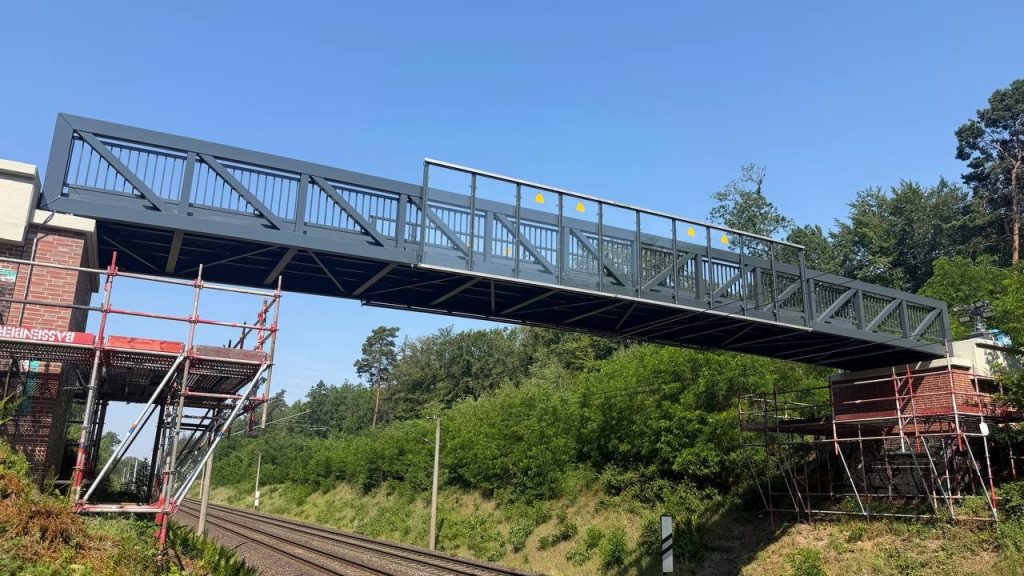
This metal allows for a wide range of applications. With the help of a trusted EN 1090 aluminium manufacturer like DR VERSLAS, you can realise your vision with the utmost safety, precision, and efficiency.
- durable aluminium structures for residential and industrial zones, including walkways and bridges;
- floating pontoons for marine and waterfront infrastructure;
- corrosion-free outdoor staircases for mountain terrain, beaches, and other spaces;
- road and highway bridges, as well as railway access structures;
- modular and temporary bridges;
- historical bridge deck retrofits, etc.
With smart and tailored performance techniques, it’s possible to create a highly functional bridge profile for multiple settings. Although aluminium isn’t all-potent, its natural capabilities let it serve as a dominating powerhouse in modern construction to be reckoned with.