


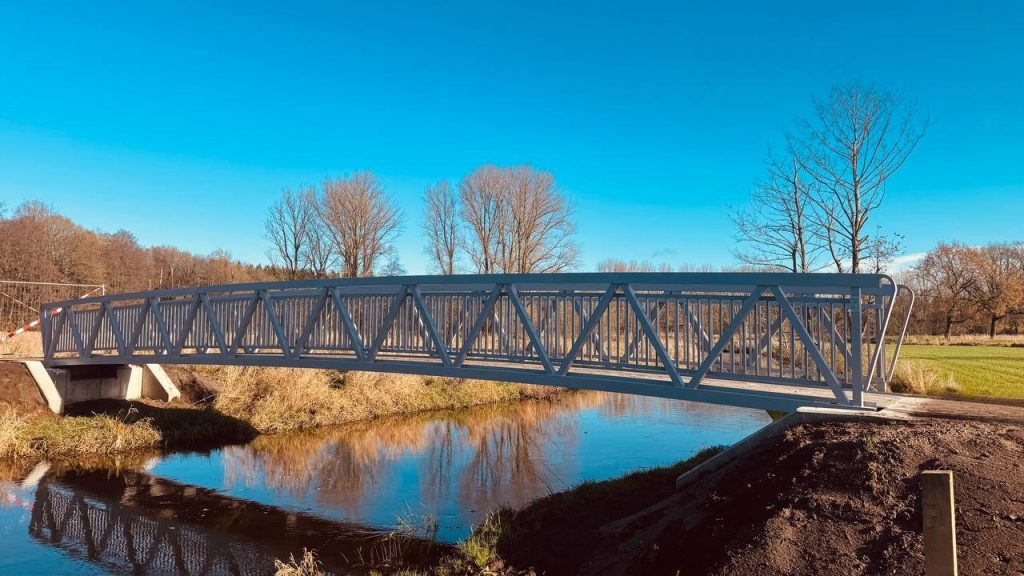
The design of a pedestrian bridge in Nordic conditions is not only about selecting a suitable structural material but also about taking into consideration the environmental conditions. These factors have an influence not only on the initial bridge design, but also on the whole-life costs.
What Makes Bridge Design in Norway, Sweden, and Finland Different?
Nordic aluminium public infrastructure operates under changing conditions, so the pedestrian bridge needs to withstand snowfall in winter, heavy rainfall, as well as moisture, salt or freezing temperatures. Bridge design should take into consideration the complete operating environment.
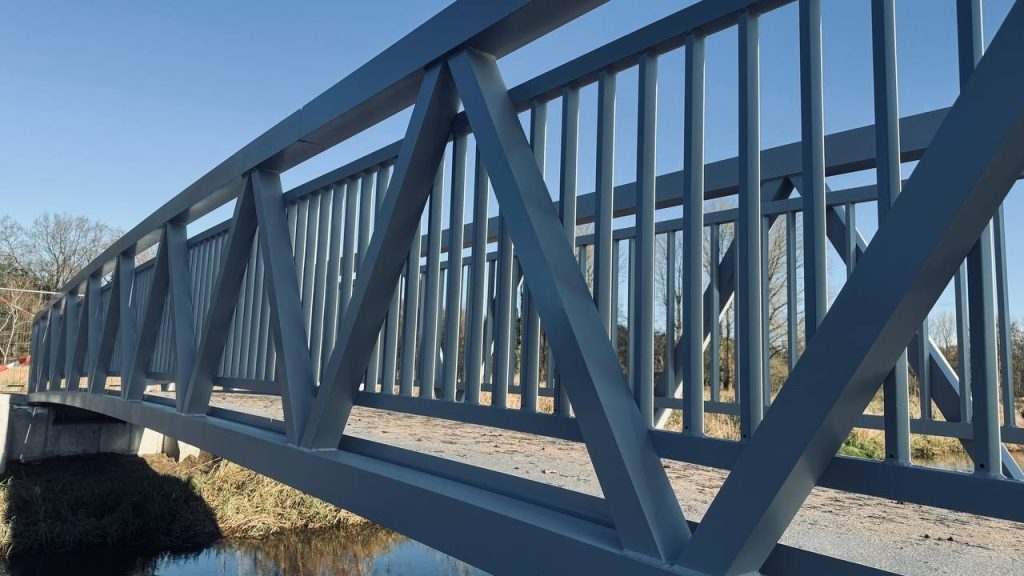
Pedestrian and Cycle Infrastructure in Norway, Sweden and Finland
Pedestrian and cycle bridges are significant elements of regional and urban transport infrastructure, which connect cross highways, residential areas, and railways.
In the conditions of the Nordic climate the design should take into consideration such aspects as:
- traffic volumes;
- width of the bridge;
- gradients and approach geometry;
- performance of the deck surface;
- requirements for snow-clearing;
- drainage;
- visibility and lighting;
- maintenance and inspection access.
Low weight of construction simplifies transportation and installation.
Snow Loads and Structural Design
Snow is one of the most important points to be taken into consideration for bridges in Norway, Sweden, and Finland.
A location-specific structural assessment is a must for a corrosion resistant cycle bridge, because the project involves the needs of the primary members, connections, deflection and serviceability.
Freeze-Thaw Cycles and Water Management
Outdoor infrastructure is under the influence of repeated freezing and thawing, because water can enter gaps, joints, and poorly detailed areas. Good water management means taking into consideration the geometry of the bridge to minimise locations with trapped moisture, such as connections, deck interfaces and drainage components.
Deck Drainage and Standing Water
Standing water is a durability concern and a safety issue. The deck drainage system is needed to provide a reliable route for rainwater and melted snow, preventing localised ponding. The key goal is to create conditions for the water to leave the bridge as fast as possible.
Slip Resistance for Pedestrians and Cyclists
Adequate traction in wet, snowy and icy conditions is a must for a bridge deck. Cyclists and pedestrians, using the bridge in winter conditions, require slip resistance. Anti-slip deck systems must be evaluated throughout their use.
Reliable grip without creating an unnecessarily uncomfortable riding surface must be provided by the surface, because excessive surface texture can affect both rolling resistance and riding comfort. Structural engineering company should take into consideration all the nuances of the project.
Snow Clearing and Winter Maintenance
The bridge must provide opportunities for:
- efficient snow removal;
- clear drainage channels;
- easily accessible structural connections;
- well-maintained lighting and safety systems.
These considerations directly affect the total cost.
De-Icing Agents and Material Compatibility
The ice on transport infrastructure is controlled by de-icing agents, which at the same time create an aggressive environment for construction materials. Aluminium creates a protective oxide layer with high resistance to atmospheric corrosion, but one important issue is galvanic corrosion, typical for dissimilar metals that are electrically connected in the presence of an electrolyte. This risk can be reduced by careful planning with a structural engineering company, proper isolation and compatible connection details.
Temperature Changes and Structural Movement
Nordic bridges are under the influence of temperature changes throughout the year, causing instability of the structure. That’s why the bearings, expansion joints, connections and interfaces with adjacent structures should accommodate the expected movement.
A typical feature of aluminium is a higher coefficient of thermal expansion than steel, so thermal movement is an important consideration in aluminium footbridge design.
Coastal and Marine Exposure in Norway and Scandinavia
Location near the sea, fjords, harbours or other coastal environments, which cause corrosion, is typical for Norway and Scandinavian bridges. The environmental specification for coastal projects includes:
- chloride exposure;
- humidity;
- accumulation of contaminants;
- dissimilar-metal connections;
- wind-driven rain;
- accessibility for inspection and cleaning.
Aluminium is a good selection for such environments.
Railings, Visibility and User Safety During Nordic Winters
Railings influence visibility, snow accumulation, and maintenance of the aluminium pedestrian overpass. The designers should consider interaction between different users for shared pedestrian and cycle routes, paying special attention to clear light at bridge entrances and exits.
Designing for Maintenance Access
Routine maintenance work can become unnecessarily expensive if structural connections, drainage systems or deck components are difficult to access. That’s why it’s important to provide access to:
- assemblages structurels ;
- systèmes de drainage ;
- deck surfaces;
- bearings and movement details;
- railings;
- lighting and other service components.
Modular aluminium bridge systems offer practical installation.
Nordic Pedestrian and Cycle Bridge Specification Checklist
The project stakeholders should review the structural and environmental requirements before finalising a cycle and pedestrian bridge specification, such as:
| Environmental conditions | Design consideration | Recommended solution |
| Snow | Structural load | Location-specific load calculation |
| Ice | Slip risk | Anti-slip deck system |
| Freeze-thaw | Water ingress | Efficient drainage and robust detailing |
| Standing water | Ice formation | Positive deck drainage |
| Salt air | Corrosion exposure | Suitable aluminium structure |
| De-icing salts | Material compatibility | Appropriate alloys and isolated connections |
| Temperature changes | Structural movement | Designed expansion details |
| Heavy winter maintenance | Deck damage | Durable deck system |
| Coastal exposure | Chloride environment | Exposure-specific material specification |
| Winter darkness | Visibility and safety | Appropriate lighting |
| Snow accumulation | Maintainable requirements | Accessible and cleanable surfaces |
All the aspects matter, creating an overall picture of a reliable bridge project.
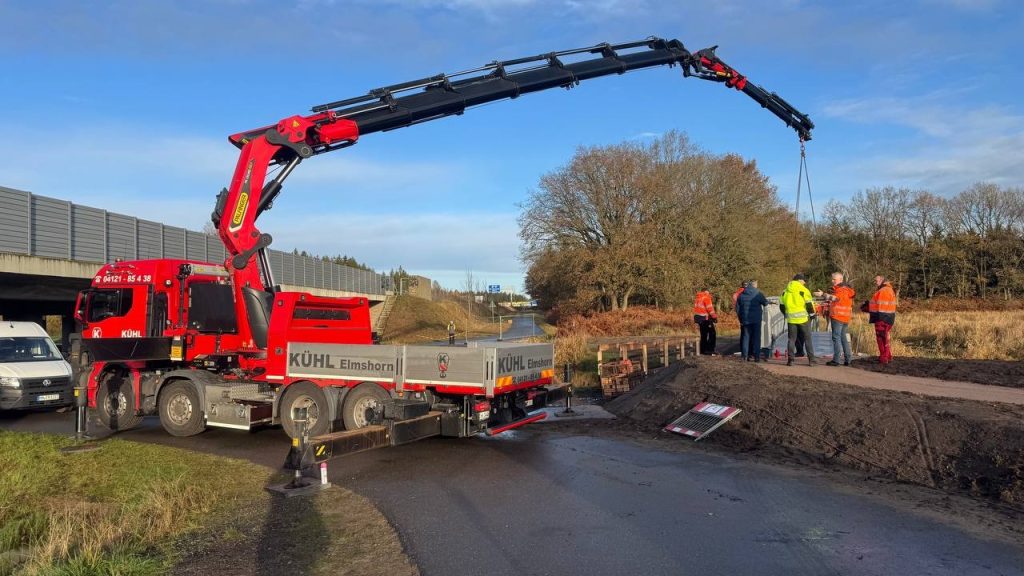
Aluminium pedestrian bridge is an optimal solution for many pedestrian and cycle applications, providing an alternative to traditional structural systems.
Successful performance of the bridge solutions for municipalities in the Nordic climate depends on numerous engineering aspects.
Are you planning a pedestrian or cycle bridge in Norway, Sweden, Finland or another Nordic location? Discuss prefabricated aluminium pedestrian bridge specifications with our experienced European aluminium footbridge manufacturer team to find the best solution.