


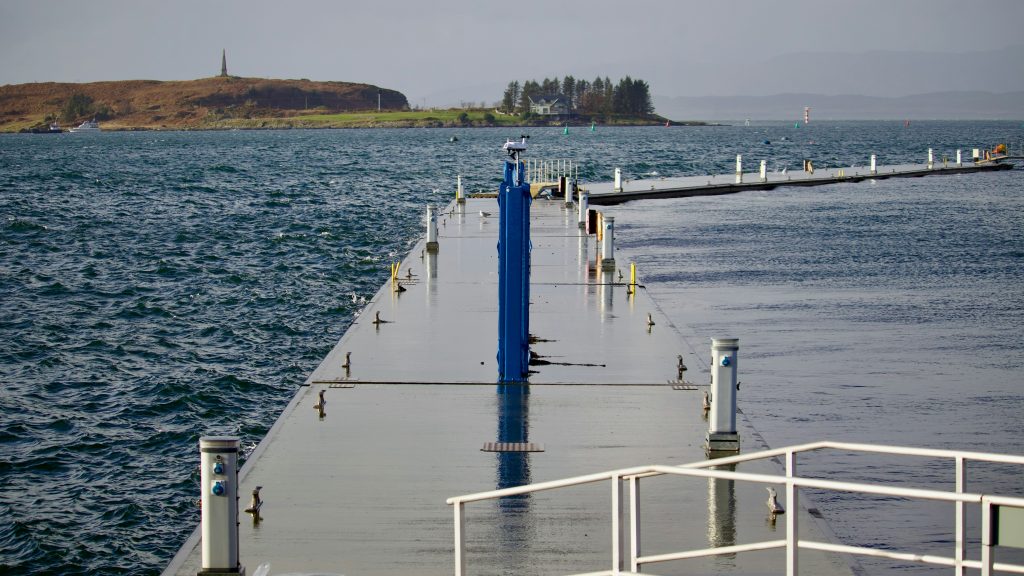
Aluminium floating pontoons are characterized by durability, corrosion resistance, and modular design, being widely used for marinas, public waterfronts, aquaculture facilities, ports, and commercial developments. The selection of the right floating structure must be done after careful consideration of operational requirements, environmental conditions, and maintenance expectations from a long-term perspective.
A pontoon for a sheltered lake has a completely different configuration in comparison to a structure installed in a tidal marina in a river environment, or coastal area. The final design is influenced by numerous factors, such as the load requirements, water conditions, accessibility, anchoring systems and seasonal factors.
The choice of the correct aluminium floating structure at the planning stage is important for port authorities, municipalities, engineering companies and marina operators interested in improved safety, reduced lifecycle costs and reliable performance over years.
The guide describes the key factors to be taken into consideration for the selection of aluminium floating pontoons for commercial and public projects.
What Are the Common Applications of Aluminium Floating Structures?
Aluminium floating structures are suitable for a wide range of applications due to their key characteristics, such as strength, flexibility, and modular construction, being suitable for both permanent and seasonal installation. The list of common applications includes:
- public waterfront promenades;
- marina pontoons;
- floating pedestrian walkways;
- ferry and passenger aluminium platforms;
- fishing and launching platforms;
- floating viewing platform;
- industrial service aluminium platforms;
- floating maintenance walkways.
The selection of the correct pontoon configuration includes dimensions, decking materials, anchoring method, freeboard, and additional safety features.
How Do Fresh Water, Salt Water and Brackish Water Conditions Affect Aluminium Floating Pontoons?
The material selection and long-term performance directly depend on the type of water environment.
Freshwater locations generally create less aggressive conditions, but there is a list of additional features to be taken into consideration, such as biological growth, water chemistry, sediment, and seasonal changes.
Saltwater environments are characterized by higher chloride levels that increase corrosion risks for many materials. Correct selection of essential components, such as fasteners and connectors, can prevent galvanic corrosion between different metals. Aluminium is suitable for marine applications, forming a protective oxide layer to prevent corrosion.
Brackish water environments have characteristics of both freshwater and seawater with changeable salinity throughout the year. In these conditions, the pontoon system must be able to deal with variable exposure conditions.
Engineers can select suitable materials and components after a proper assessment of the water environment, reducing maintenance requirements and maximizing service life.
How Do Water-Level Variation, Waves, Current and Tides Influence Pontoon Design?
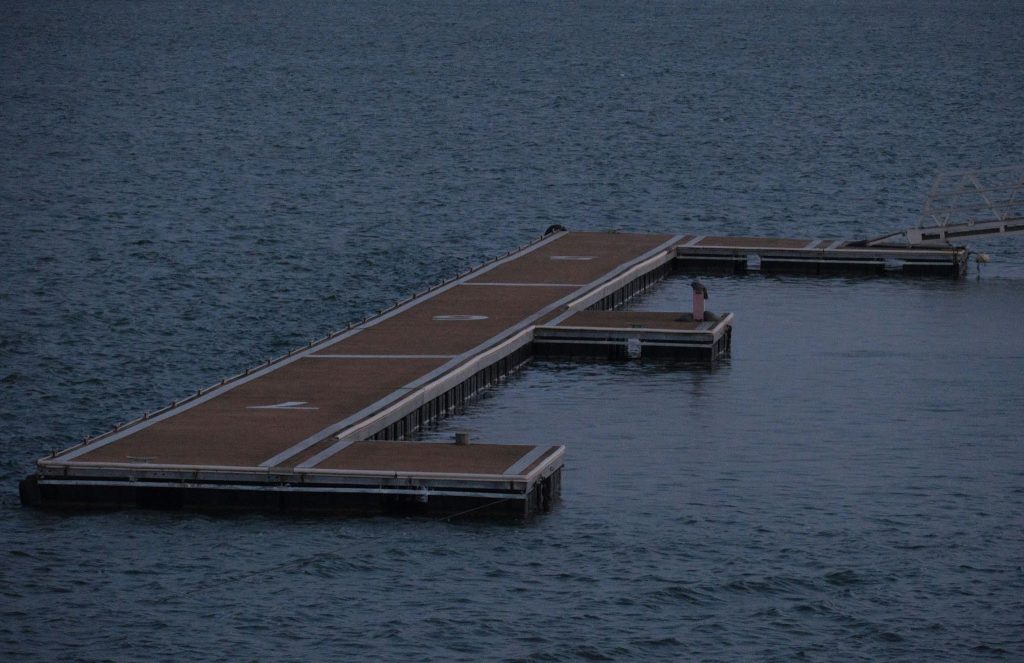
Changing water conditions directly affect the floating structures. A pontoon should be anchored and configured taking into consideration such key site factors as:
- seasonal water-level changes;
- exposure to waves;
- speed of a current;
- conditions of the wind;
- tidal range;
- risks of flood;
- depth of water.
A relatively simple anchoring aluminium fabrication may be applicable for a sheltered lake, while a river with strong currents requires guide pile systems and reinforced structures. Solutions that can accommodate regular tidal movement are suitable for coastal marinas.
The conditions mentioned above have an influence on the choice of the design, anchoring system, structural reinforcement, pontoon width, and connection details.
Excessive movement and unnecessary maintenance can be avoided with a detailed site assessment before installation.
How Should You Determine the Required Load Capacity and Freeboard?
One of the most important factors for the selection of an aluminium floating pontoon is load capacity. There are actual operational requirements that have to be taken into consideration for the design of a structure. The list of potential loads is as follows:
- pedestrian traffic;
- service equipment;
- emergency access;
- cyclists;
- maintenance personnel;
- marina users;
- small vehicles.
A typical industrial service platform and recreational floating walkway require different structural specifications.
One more critical aspect is the freeboard, which is the height between the water surface and the deck level. Accessibility may be reduced if the freeboard is too high. Safe operation may be affected by waves if it’s too low.
Safe and comfortable use throughout the structure’s service life is ensured by the balance between load capacity, stability, and accessibility.
Which Anchoring and Mooring System Options Are Best for Different Sites?
The pontoon is stable and safe in changing water conditions due to the anchoring system. The most common solutions include:
- chain anchoring;
- flexible mooring systems;
- guide piles;
- deadweight anchors;
- combined anchoring solutions.
The choice of a perfectly matching configuration depends on seabed conditions, water depth, wave exposure, current, and expected loads.
| Site condition | Recommended configuration |
| Sheltered lake | Modular pontoon with chain anchoring |
| Reservoir | Flexible anchoring system |
| River environment | Reinforced pontoon with guide piles |
| Coast area | Engineered marine mooring solution |
An anchoring system, designed correctly for a specific object, guarantees stability, reduces structural stress, and supports safe operation.
How Should Aluminium Floating Pontoons Be Designed for Ice, Snow and Winter Operating Conditions?
Snow and ice conditions must be considered during the design stage of aluminium fabrication in regions with cold winters. There are floating pontoons which operate year-round, while there are others that protect them in the conditions of severe winters. The list of important factors includes:
- ice pressure;
- freeze-thaw cycles;
- winter water-level changes;
- snow loads;
- seasonal maintenance requirements.
Structural components and anchoring systems must be able to withstand local winter conditions for permanent installations. As for the modular systems, they have their own advantages because different sections can be inspected, removed, and stored when required.
Careful planning for winter operation provides reliability, reducing overall maintenance costs.
How Do Decking, Slip Resistance and Public Accessibility Affect Pontoon Selection?
A big role in the organisation of safety and accessibility for users is played by the decking system. Safe walking surfaces in changing weather conditions are a must for public waterfronts and commercial pontoons. As for the key decking considerations, they include:
- slip resistance;
- drainage;
- durability;
- maintenance requirements;
- accessibility compliance.
As for the list of additional features, it depends on the project and may include bicycle-friendly surfaces, wheelchair access, lighting, safety railings, and edge protection.
The overall user experience can be radically improved with a well-designed deck, ensuring that the floating structure meets the needs of modern public infrastructure projects.
Why Are Modular Expansion and Seasonal Removal Important?
Modular design is one of the main advantages of aluminium floating structures. In case of increased demand, additional sections can be installed, allowing commercial operators and municipalities to expand facilities without replacing the entire system. Modularity has an influence on numerous processes, simplifying:
- transportation;
- future upgrades;
- installation;
- repairs;
- seasonal removal.
This flexibility is a key benefit for sustainable aluminium structures, such as tourism projects, marinas, recreational areas, and temporary waterfront installations.
What Maintenance and Inspection Requirements Should You Expect?
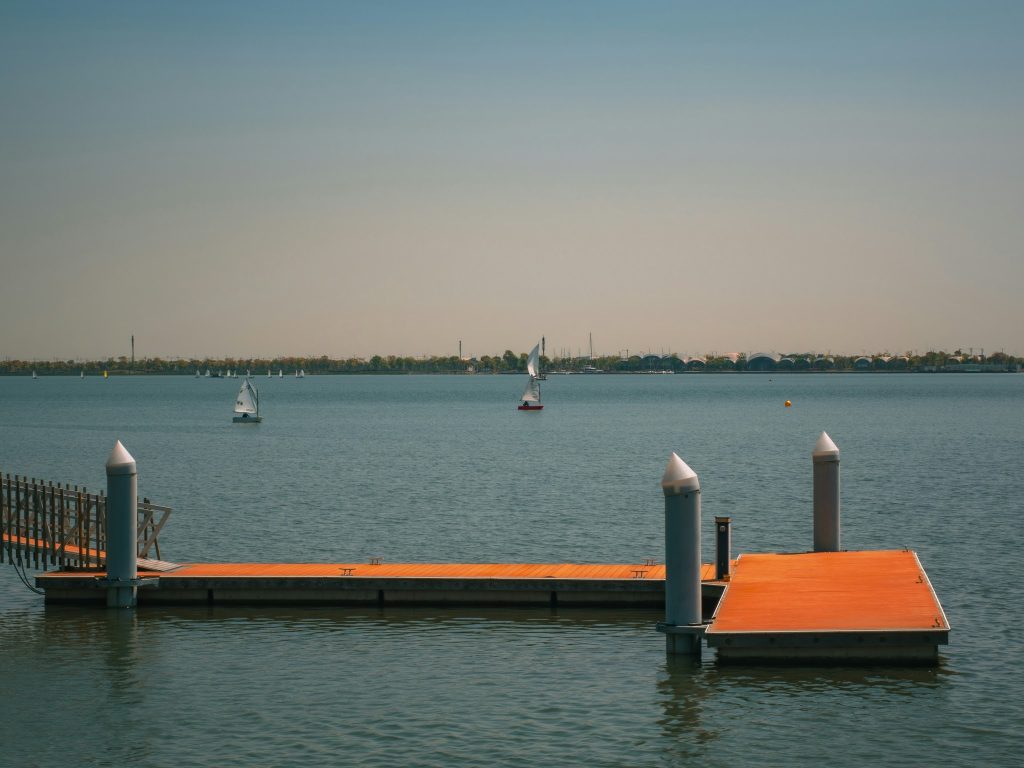
Although aluminium floating pontoons require limited maintenance compared with many traditional materials, regular inspections remain important.
Typical inspection activities include:
- check-up of structural connections;
- inspection of floats and modules;
- the review of anchoring systems;
- cleaning of decking surfaces;
- check-up of safety equipment;
- replacement of worn components.
A planned inspection program helps identify potential issues early and supports safe long-term operation.
What Documentation Is Required for Municipal and Commercial Projects?
The detailed technical documentation before construction of durable aluminium structures begins is a must for municipal and commercial projects. The typical documentation list includes:
- engineering drawings;
- material specifications;
- installation instructions;
- structural calculations;
- quality documentation;
- maintenance recommendations;
- compliance certificates.
The owners can manage the asset throughout its operational life with complete documentation for aluminium infrastructure solutions, which simplifies installation and supports approval procedures.
What Information Is Required to Prepare a Pontoon Quotation?
Aluminium pedestrian bridge contractor who needs to prepare an accurate aluminium floating pontoon quotation or aluminium viewing platform requires information about both the site and the intended use. The most important project details are as follows:
- location;
- type of water body;
- freshwater, saltwater, or brackish conditions;
- required pontoon length and width;
- wave and current conditions;
- seasonal water-level changes;
- expected loads;
- decking requirements;
- accessibility needs;
- water depth;
- installation requirements.
The engineers who have full information about the project at an early stage can make the most suitable configuration.
Conclusion
Careful evaluation of environmental conditions, safety expectations, operational requirements, and future development plans is the core characteristic of aluminium floating pontoons for public waterfronts and commercial projects.
There are numerous factors which influence the correct solution, carried out by a bridge design company, with reliable performance, such as water type, waves, load capacity, currents, accessibility, anchoring method, and winter conditions.
Are you planning an aluminium floating pontoon project? Don’t hesitate to share the required dimensions, waterbody type, expected loads, and operating conditions. We are the aluminium infrastructure contractor, ready to find a suitable configuration and provide a tailored solution for your marina, waterfront, port, or commercial application.