


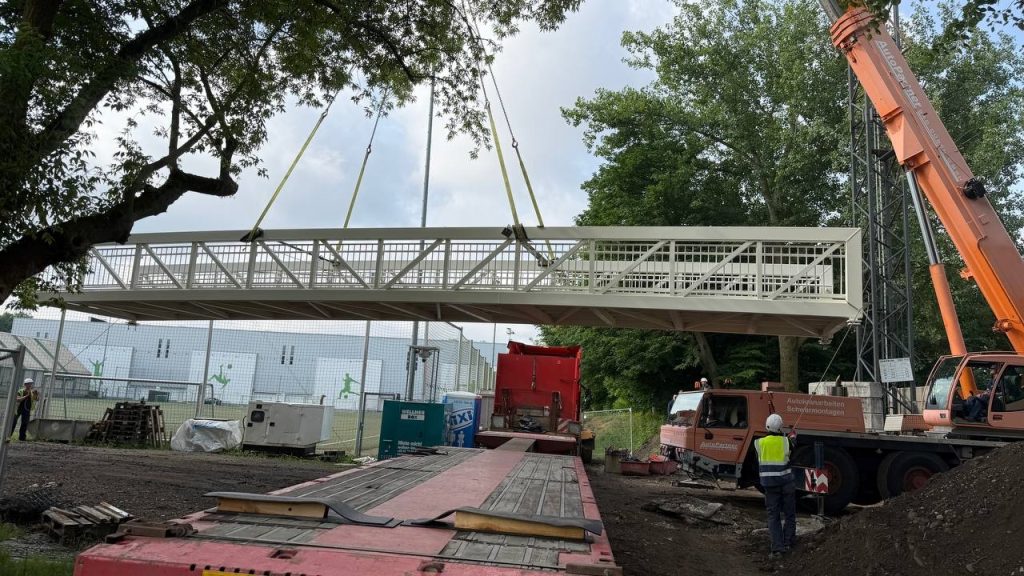
Public infrastructure projects must be evaluated not only by cost and structural performance, but also by their environmental impact, so material selection is an important part of sustainable procurement.
The key advantages of aluminium walkways are their durability, low weight, and potentially reduced maintenance with high recycling potential.
What Does Whole-Life Carbon Mean?
Whole-life carbon is connected with the greenhouse gas emissions associated with an infrastructure asset throughout its life, including such stages as manufacturing, transport, material production, installation, maintenance, replacement and end-of-life treatment. Such an approach creates a realistic basis for comparing structural solutions.
Embodied Carbon vs Operational Carbon
Emissions associated with materials and construction, which include production, transport, installation, maintenance and end of life, are covered by embodied carbon. Operational energy requirements are limited for many structural infrastructure projects, so embodied carbon becomes an important consideration for aluminium engineering.
Why Material Production Is Only Part of the Calculation
A complete answer can’t be achieved if you compare the carbon intensity of one tonne of aluminium with one tonne of steel. Different quantities of material are typical for different structural systems, as different transport, fabrication, maintenance and replacement requirements.
Structural Weight and Transport Emissions
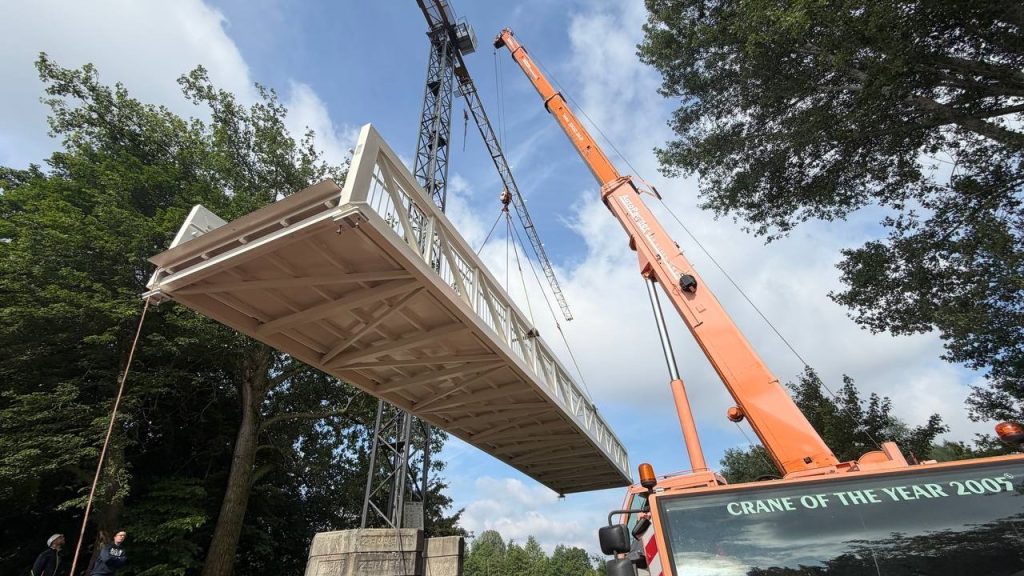
Custom aluminium structures are characterized by a lower density than steel, so the creation of lighter structural components where the design and required performance make this appropriate is possible. Lower weight helps reduce lifting requirements, transport loads, and handling requirements, being particularly relevant for prefabricated structures.
The total component weights, delivery distance, structure weight, transport mode and packaging assumptions must be provided by suppliers.
Prefabrication and On-Site Construction
The components can be manufactured and assembled under controlled factory conditions before delivery to site with the help of prefabrication, reducing on-site drilling, cutting, material waste, and adjustment.
As a result, the installation periods are shortened, and site disruption is reduced. The list of project-specific data for lightweight aluminium structures covers transport, manufacturing, installation and construction waste.
Maintenance and Recoating Over the Service Life
Whole-life carbon, particularly for infrastructure designed to remain in service for decades, is significantly affected by maintenance. A specific feature of aluminium infrastructure is to form a protective oxide layer with guaranteed corrosion resistance. This reduces the need for intensive corrosion protection depending on the application and environment.
Durability and Replacement Cycles
Significant aspects of any whole-life assessment are expected service life and replacement cycles. Transport and installation activities may be required during the reference period if a structure or component remains functional for a longer time. In order to make a careful comparison of aluminium and steel, buyers should take into consideration the same reference period.
Aluminium Recycling at End of Life
A typical feature of aluminium is a high recycling potential, allowing recovered material to become an input for future products. The key points of the assessment are the considerations of how the structure is separated, dismantled, collected and recycled. The material recovery is supported by the choice of the design.
At the same time, theoretical recyclability is not automatically counted as an environmental benefit, so the calculation should state the assumed recycling and recovery scenario.
Recycled Content vs Primary Aluminium
The carbon footprint of aluminium depends on the way it was produced. Recycled aluminium generally requires less energy than for primary load-bearing aluminium structures.
Therefore, information about recycled content should be requested by the buyer, same as the supporting environmental documentation and production route.
Environmental Documentation for Public Tenders
The list of documentation depends on the project, and can include:
- Environmental Product Declarations (EPDs);
- Product Carbon Footprint information;
- Recycled-content declarations;
- Life Cycle Assessment (LCA) data;
- Transport and manufacturing data;
- Service-life information;
- End-of-life assumptions.
The main goal of documentation is to identify the product.
How to Compare Aluminium and Steel Fairly
A fair comparison must be done not simply between kilograms of material, but between complete structural solutions. The key points of the assessment are:
- structural geometry and capacity;
- total quantity of the material;
- manufacturing processes;
- transport and installation;
- maintenance and recoating;
- service life;
- replacement cycles;
- recycled content;
- end-of-life recovery and recycling;
- LCA methodology and carbon factors.
Complex approach showcases differences, not visible in a simple comparison of aluminium municipal infrastructure.
What Data Should a Supplier Provide?
Transparent data covering the relevant life-cycle stages should be provided by suppliers. The minimal list of characteristics must include the material quantity, production data, recycled content, installation requirements, transport assumptions, maintenance intervals, expected service life and end-of-life assumptions.
The units, emission factors, data sources used, and system boundaries also have to be specified for corrosion resistant aluminium structures.
Whole-Life Carbon Checklist for Infrastructure Buyers
The whole-life checklist includes a few key stages, such as:
Stage 1 — Production
Material quantity → Production route → Recycled content → Manufacturing emissions
↓
Stage 2 — Transport
Component weight → Delivery distance → Transport mode → Packaging
↓
Stage 3 — Installation
Installation method → Site equipment → Energy consumption → Construction waste
↓
Stage 4 — Use & Maintenance
Service life → Cleaning → Coatings → Repairs → Replacement cycles
↓
Stage 5 — End of Life
Dismantling → Material recovery → Recycling → End-of-life emissions
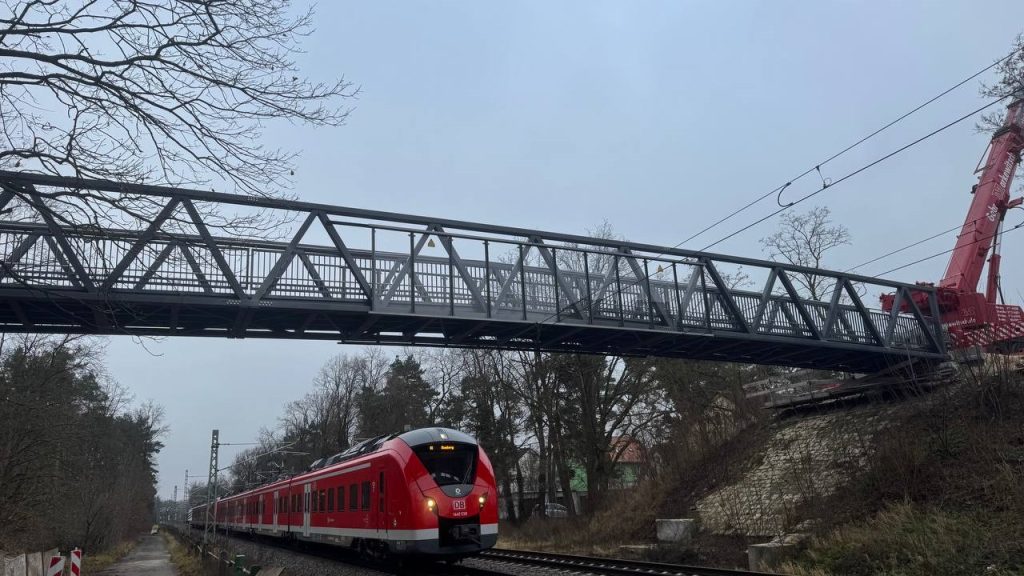
The buyer should make a request to the aluminium bridge supplier Europe to get measurable environmental data in order to create a consistent basis for evaluation of the environmental performance.
All in all, aluminium structures are beneficial to lower whole-life carbon due to such characteristics as low weight, durability, efficient prefabrication, recycling potential, and reduced maintenance. But these benefits require the support of consistent, project-specific and verifiable data.
Are you planning a public infrastructure project? Our company is an aluminium bridge construction company, presented on the market for many years. Contact us to request the related documentation for your aluminium structure, which includes the data needed for tender evaluation and whole-life carbon assessment.