


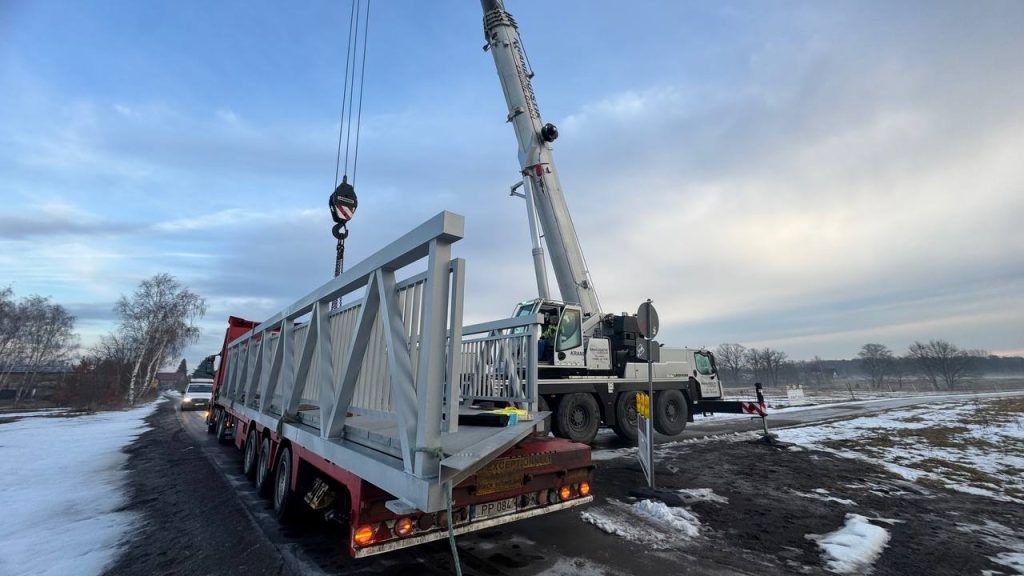
The structural design is only part of the challenge when a contractor or municipality plans a new aluminium bridge. The overall project is influenced by numerous factors such as access to the site, traffic restrictions, installation time, crane operations and weather conditions. Quite often, the fastest way to reduce disruption is to relocate as much work to a controlled factory environment.
Bridge fabrication can be transported to the project location in sections or as a complete structure. The bridge can often be installed with a relatively small number of site operations once the foundations and abutments are ready.
What Is a Prefabricated Aluminium Bridge?
A prefabricated aluminium bridge is a structure produced off-site, taking into consideration the required span of the project, width, load capacity and site conditions. The bridge can be delivered to the site as a complete unit, smaller modules, or several assembled sections.
Factory Fabrication vs On-Site Construction
The methods of traditional construction may require welding, drilling, significant fabrication, assembly and finishing work directly at the site, so site conditions and weather matter.
Factory production guarantees a controlled environment, where components are carefully checked, so the contractor can prepare the site and manufacture the bridge at the same time. The project moves directly into the installation stage once the foundations are completed.
Why Low Structural Weight Matters During Installation
Aluminium is a lightweight material in comparison to many conventional bridge materials, requiring less lifting capacity than a comparable heavier structure, simplifying transportation and reducing the need for heavy equipment.
But bridge weight alone is not the only factor for crane selection, because the access conditions, section dimensions, lifting radius, wind conditions and the position of the crane also matter.
Transporting Bridge Sections to the Site
Transportation should be thought over during the design stage, not after the completion of fabrication, because the maximum length, width and weight of the aluminium infrastructure bridges sections matter.
The project team must evaluate road access, overhead restrictions, bridges, turning areas, and local traffic regulations before the beginning of the manufacturing process. Modular prefabrication can be particularly useful for remote locations.
Crane Requirements and Lifting Operations
The lifting plan includes the lifting points, crane capacity, lifting radius, ground conditions, definition of the weight of each section, and installation sequence.
An availability of a stable ground with sufficient space for safe operation is a must for cranes. The period during which roads, trails or other access routes have to remain closed can be minimized with a well-prepared lifting plan.
Foundations and Abutments: What Must Be Ready Before Delivery?
Site preparation is still important even in the case of prefabrication, so it’s necessary to complete and check such elements before the bridge arrives, such as:
- foundations;
- abutments;
- bearings;
- connection points;
- access arrangements.
Dimensional accuracy also matters. All in all, preparation for installation must include a pre-delivery inspection which confirms that all required civil works are ready.
How Prefabrication Reduces Road, Trail and Waterway Closures
One of the biggest concerns for municipal infrastructure is site disruption. Prefabrication is a way to reduce the construction activity, because the bridge is mostly completed before delivery, so less intensive work is required.
For a road crossing, it means a shorter traffic closure, while for a pedestrian or cycling route, it reduces the period of route inaccessibility. As for the water crossing, prefabrication minimises the need for prolonged work over the water.
Installation in Remote and Difficult-to-Access Locations
Conventional construction is more expensive for remote sites because materials, workers and equipment are kept on location for extended periods. Lightweight aluminium structures radically change this process, because manufacturing takes place away from the site.
The design of the aluminium pedestrian bridge over road should be done with transportation and installation in mind.
Weather-Related Risks During Installation
Every construction project can be affected by weather. A bridge section may make wind conditions an important consideration, presenting a large surface area during a crane lift.
So, weather monitoring and clear criteria for postponing lifting operations should be included in the installation plan. Prefabrication reduces this exposure, making the overall project less dependent on performing extensive structural work outdoors.
What Information Is Needed to Prepare an Installation Plan?
There are several basic pieces of information to be included in a preliminary installation assessment:
- location of the bridge;
- required span;
- clear width;
- expected structural loads;
- available space for delivery;
- available crane positions;
- type and condition of existing supports or proposed foundations;
- road, trail or waterway access;
- terrain and ground conditions;
- overhead restrictions;
- site photos;
- timeframe for installation.
This information helps the engineering team evaluate the transportation routes, section sizes, requirements for lifting and the sequence of installation.
Prefabricated Aluminium Bridge Project Checklist
Before delivering or making an order of a prefabricated bridge, the project team should confirm such aspects:
- Design: width, loads, span, geometry and connection details.
- Civil works: complement and verification of foundations and abutments.
- Transport: the route for the delivery and vehicle requirements.
- Lifting: confirmation of the lifting radius, crane capacity, lifting points, and ground conditions.
- Access: confirmation that the site is reachable by construction vehicles and installation equipment.
- Safety: the definition of exclusion zones and installation sequence.
- Weather: the establishment of suitable conditions and contingency arrangements.
- Traffic: planning of the required road, trail or waterway closures.
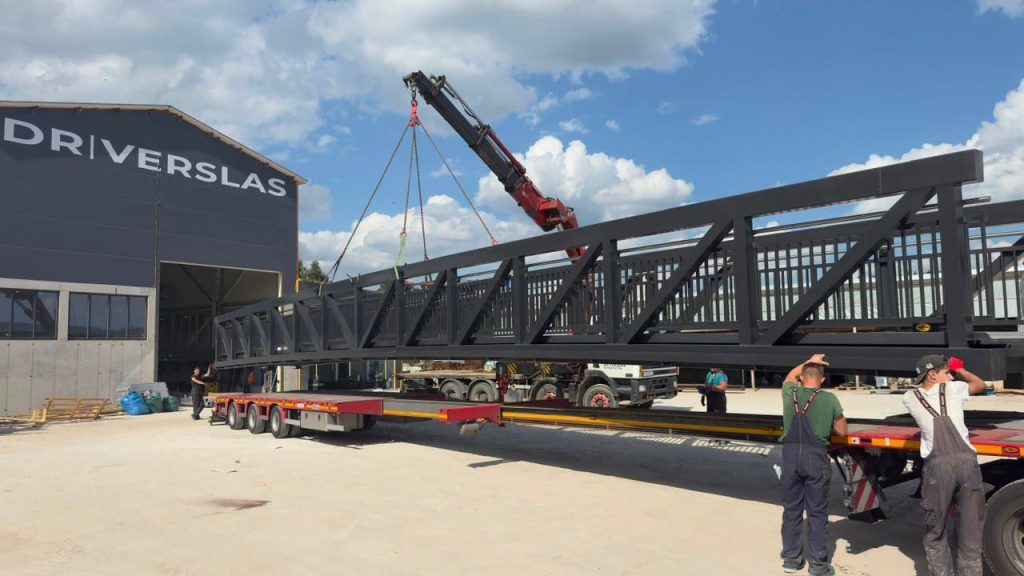
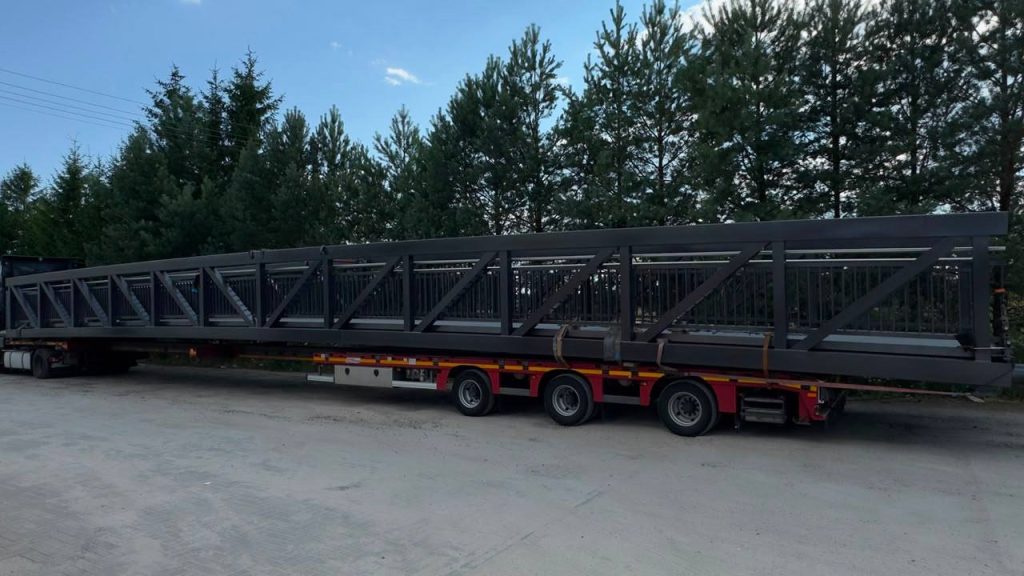
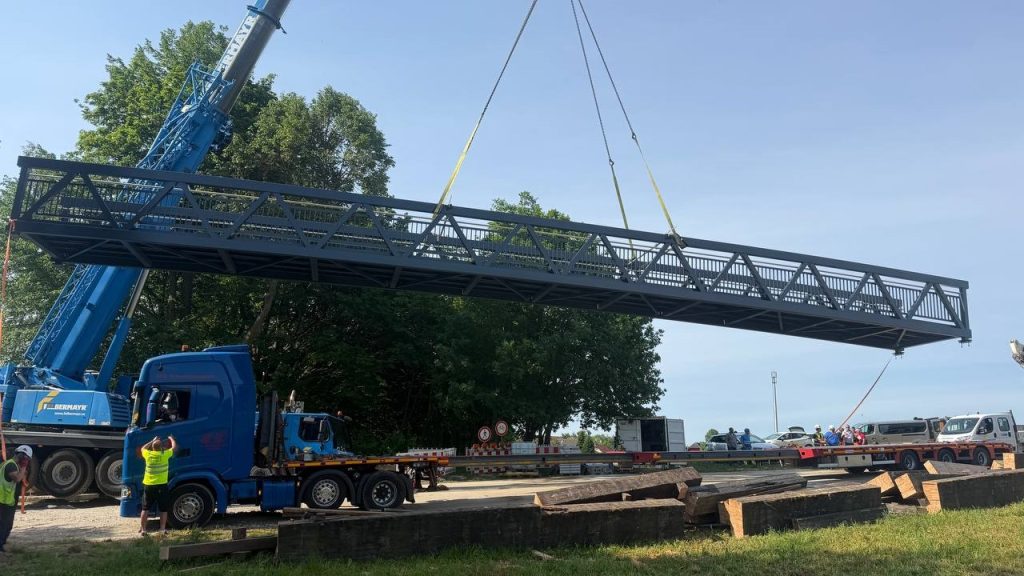
DR VERSLAS is a prefabricated bridge manufacturer, which provides a practical example of the project, where the overall process is followed from the first stage of fabrication to the completed installation of the aluminium cycle and pedestrian bridge, demonstrating how an overall manufacturing concept turns into a site installation process:
Factory:
Transport:
Crane:
Installed bridge:
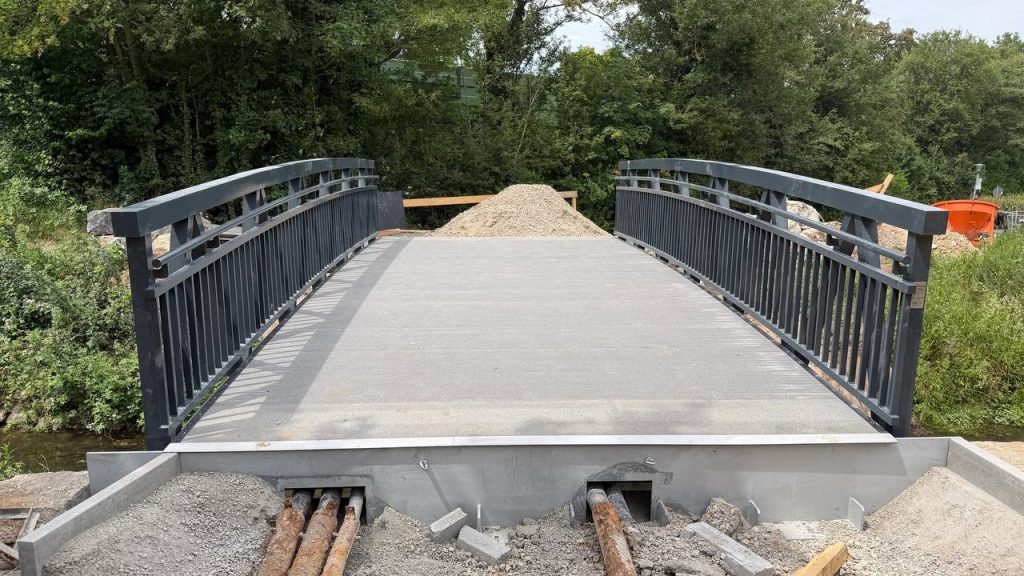
The most meaningful and useful question for general contractors, municipalities, and engineers is not only “How much time does it take to build a durable aluminium pedestrian bridge?” but “How much of the municipal infrastructure can be completed before the bridge is delivered to the site?” Early consideration of the installation requirements means easier optimisation of the overall process, including transportation, lifting and site access.
Are you planning an aluminium pedestrian bridge for parks project? Don’t hesitate to send our bridge fabrication company the location, site photos, and required span. We are ready to make a preliminary assessment of the most practical delivery and installation approach for your site.